01
ServiceOne of four specialist services
Stamped asphalt
Brick, cobble and slate — pressed into the asphalt you already have.
Overview
What it is, and why it works
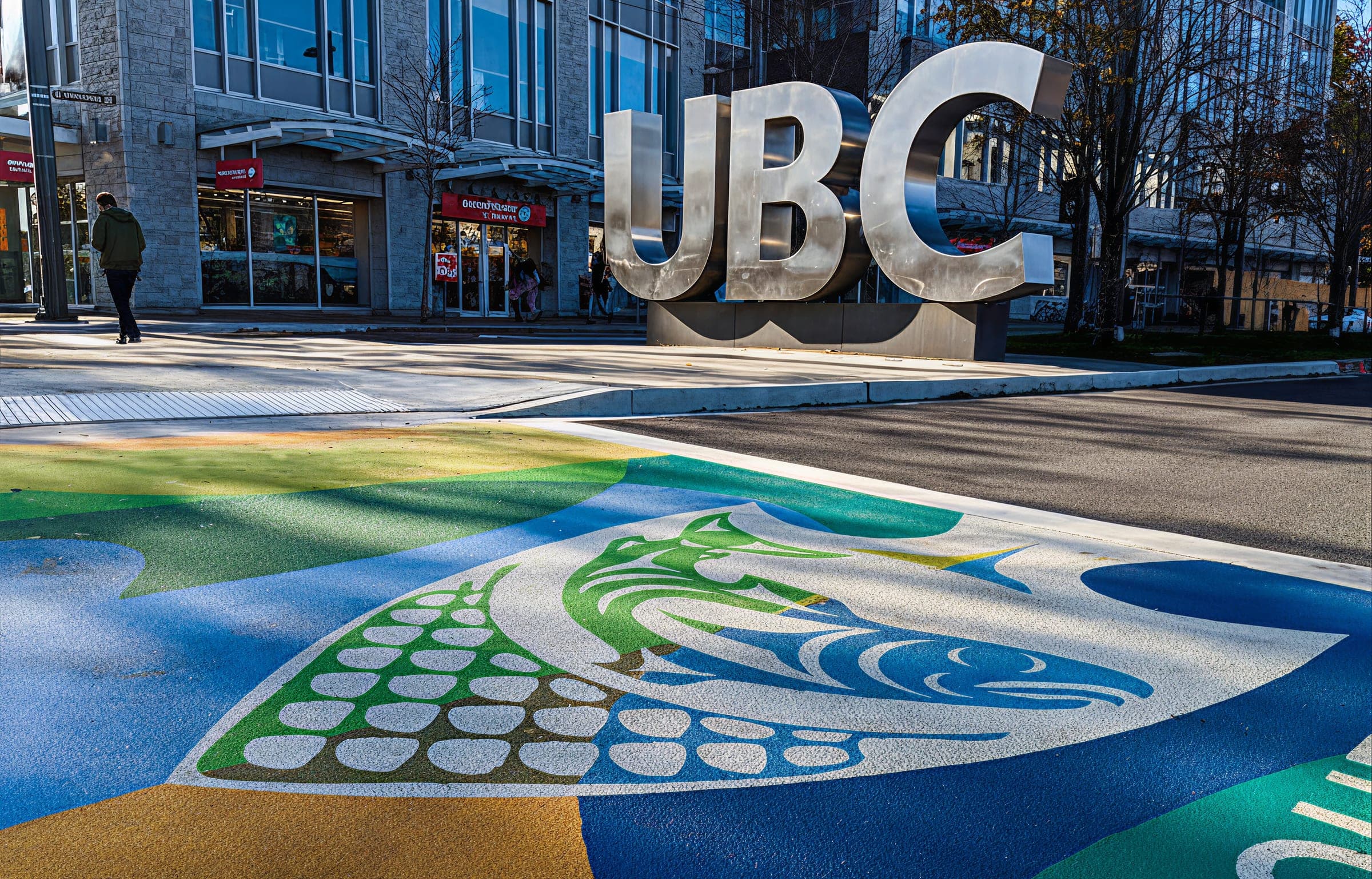
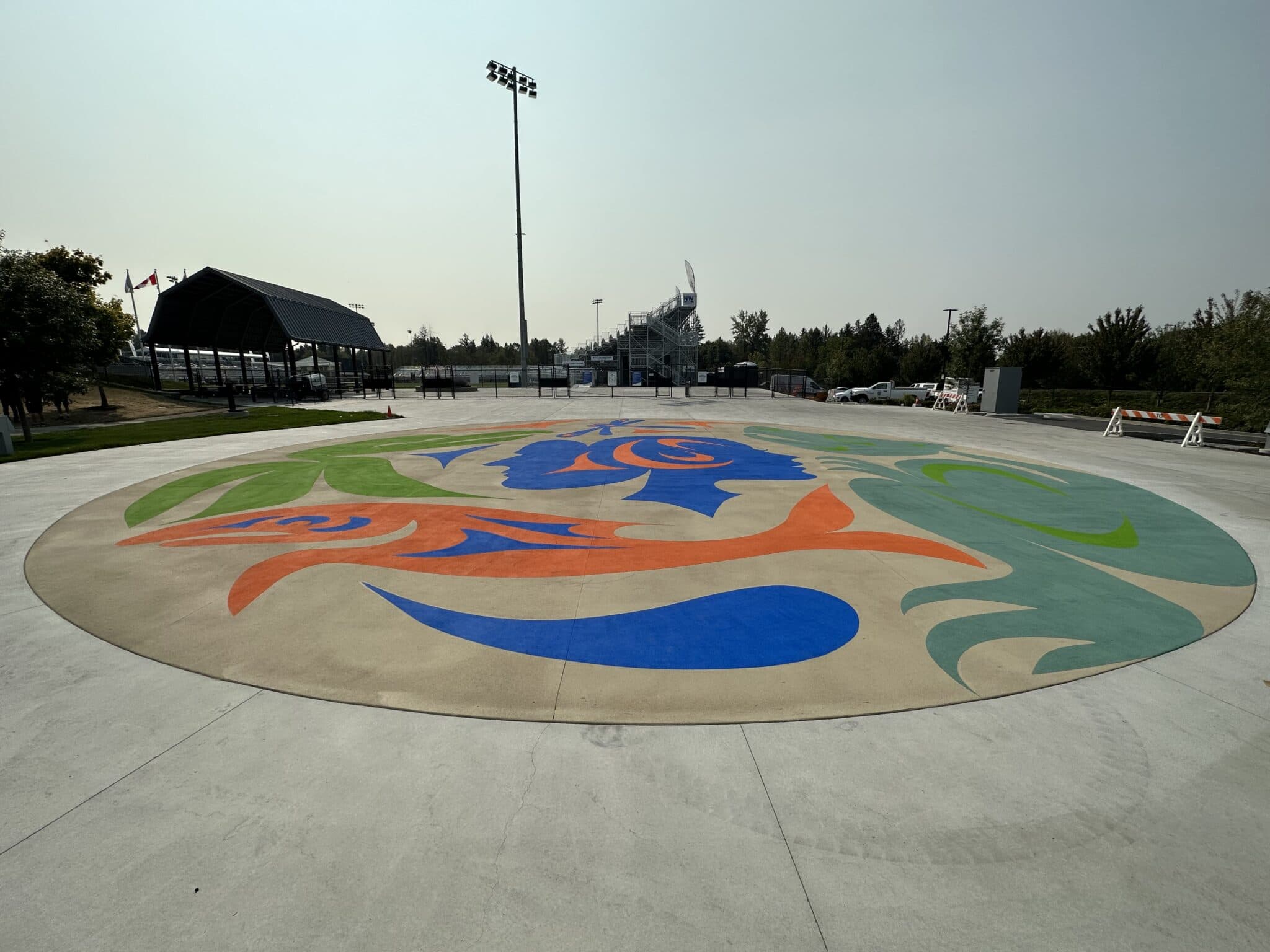
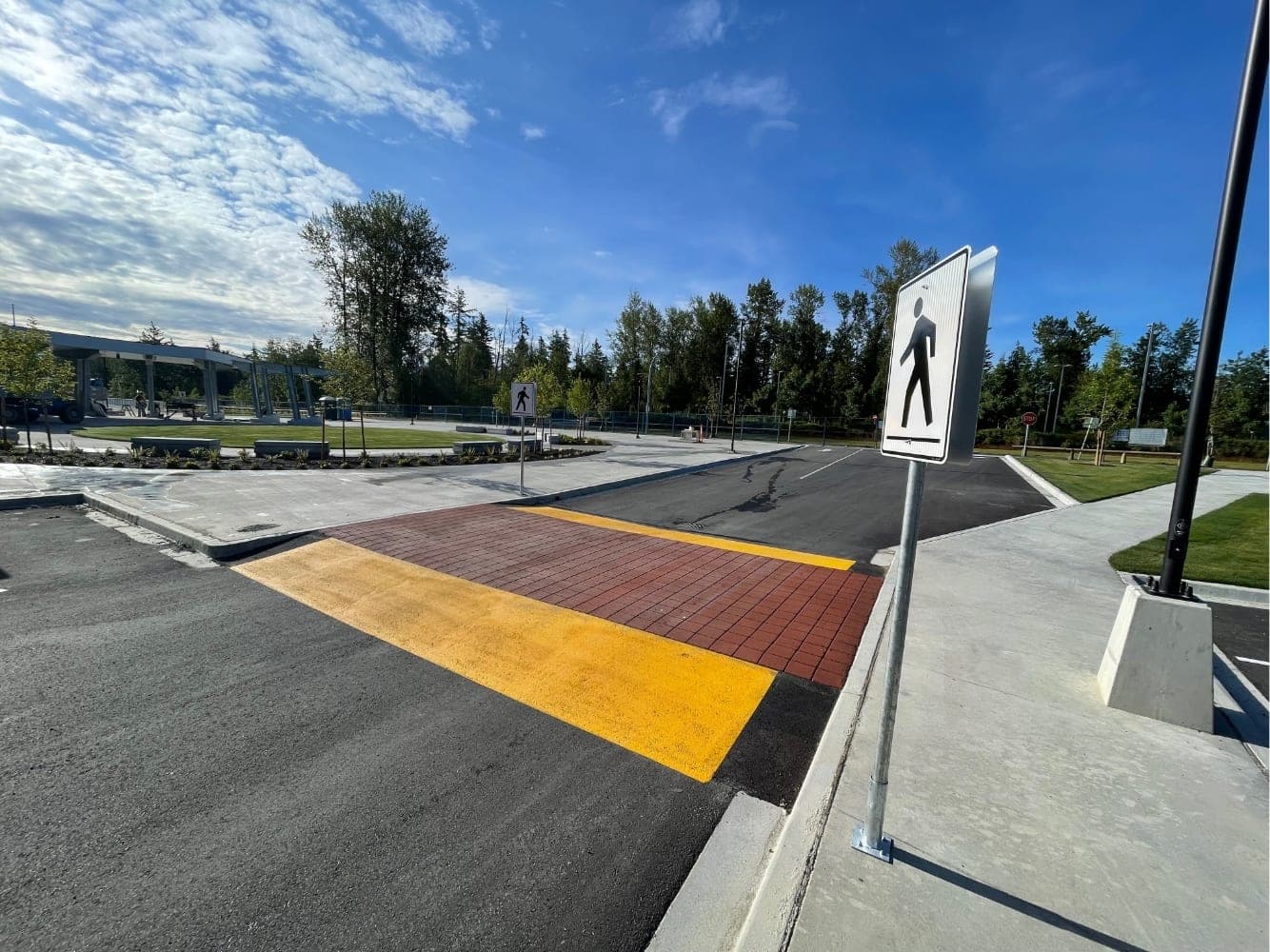
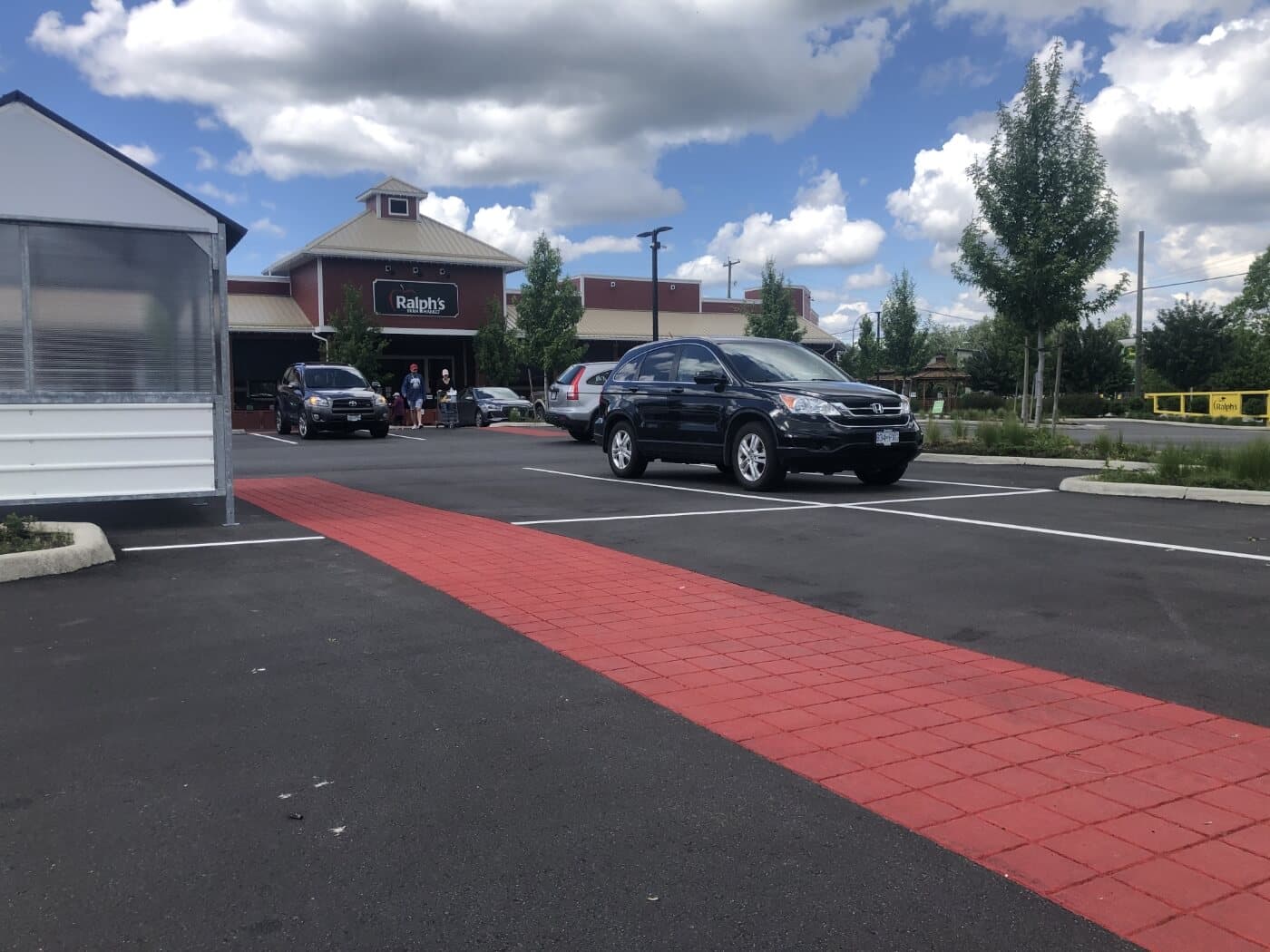
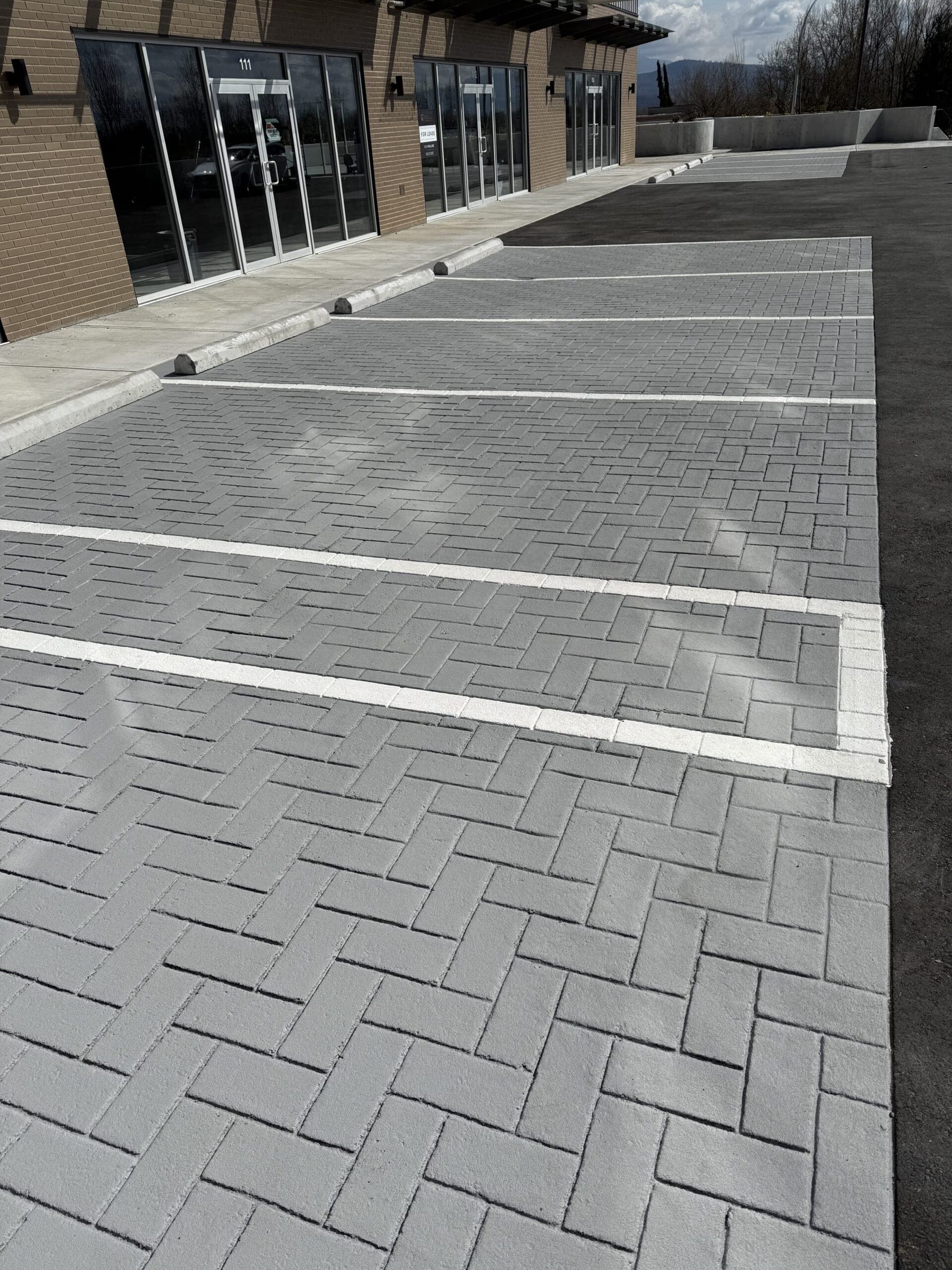
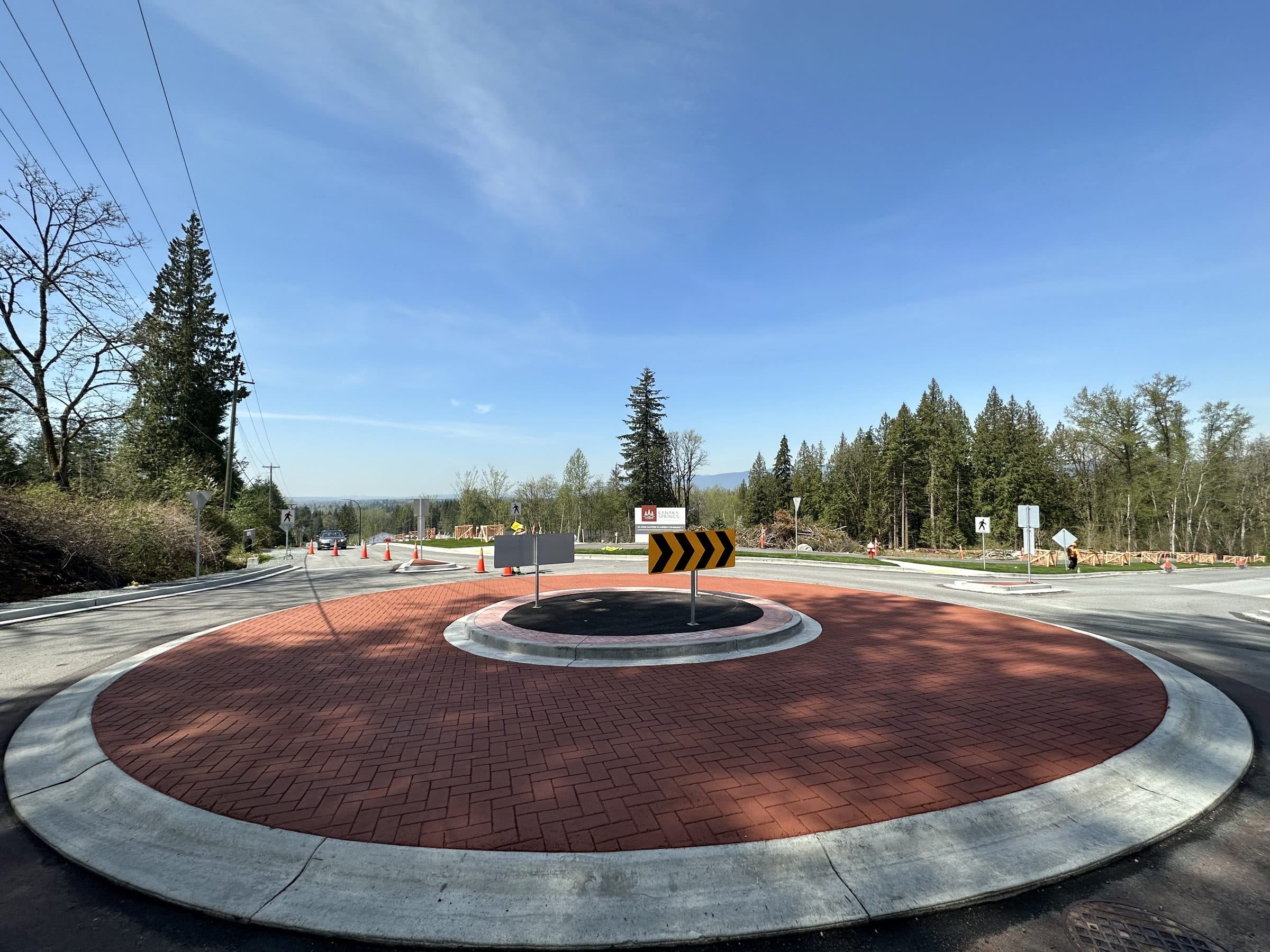
Stamped asphalt is more than aesthetics — it's functional design that performs. Square One installs two kinds: HUB's StreetPrint® Imprinting System, which presses the pattern into the asphalt itself, and TrafficPatternsXD™, a heavy-duty preformed thermoplastic that is heated and stamped into the top layer of the asphalt. Whether it's a vibrant crosswalk in downtown Vancouver or a subtle traffic pattern on Vancouver Island, Square One crews deliver precision, colour, and durability. Custom patterns, reflective options, and snowplow-safe surfaces make this the choice for municipalities and developers who demand both form and function.
Specification
What stamped asphalt is for, and what you get
Applications
- Crosswalks
- Roundabouts
- Traffic calming treatments
- Streetscapes and medians
- Commercial entries
- Parking lot design elements
Ideal clients
- BC municipalities
- Developers
- Landscape architects
- Property managers
- School districts
Key benefits
- Slip-resistant textured surface
- 10–20 year published service life
- Snowplow safe
- Custom patterns available
- Retroreflective options
- Fast installation
Products used in this service
All products02
TrafficPatternsXD™ impressed thermoplastic
Questions
What people ask about stamped asphalt
Short answers, in the same words the page already uses. For the specification itself, the documents are in the library.
Is stamped asphalt slip-resistant?
Yes. The imprinted surface is textured, so it gives tyres and shoes more to hold than smooth asphalt, and the impression depth is designed to be snowplow safe.
How long does StreetPrint last?
HUB publishes a 10–20 year service life for StreetPrint under municipal traffic, and puts it more simply in its own FAQ: printed asphalt is as durable as the asphalt it is printed on.
Can it be installed over existing asphalt?
Yes, when the asphalt is sound. The surface is reheated and stamped in place, then sealed in colour — no demolition and no new base. The site visit decides whether the existing surface will take a pattern.